Toilet Hard To Flush? Find Out Why & Get Our Tips For Fixing The Problem
Contents
Introduction
When something goes wrong with the toilet in the house, there is definitely a problem for everyone who lives in the abode. No one realizes just how significant a toilet is until they need to use the bathroom and have no option or safe method to dispose of the waste. A toilet that is hard to flush might still work a little bit but could be covering up deeper problems, especially if there is sticking of the internal mechanisms.
Common Toilet Issues
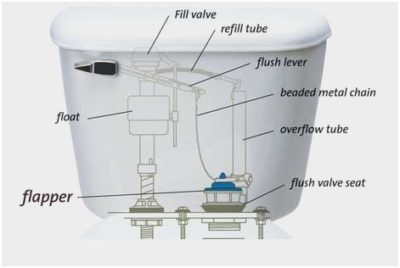
There are quite a few common issues that make a toilet hard to flush. Many of them are mechanical problems inside the tank, but a weak flush can also come from a partial clog, mineral-clogged rim holes, or a blocked drain vent. The tank of the toilet is the square part that sits behind and above the seat. In here are all of the mechanisms that make the plumbing of the toilet function properly. If the toilet is hard to flush, there is most likely a piece inside that is getting stuck, moving slowly, or is not connected properly.
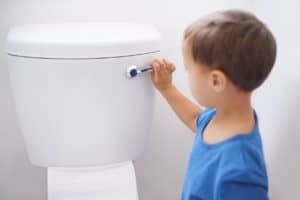
The most common tank problems that make a toilet hard to flush are a badly adjusted lift chain, a low tank water level, and a worn or ill-fitting toilet flapper. Each piece is essential to keeping the toilet running. When the handle is pushed down on a toilet, it triggers the interior swing arm, which tugs on the chain and raises the toilet flapper to allow water to wash down into the bowl of the toilet. Over time, these pieces can wear down, necessitating repairs. Someone who is uncomfortable with plumbing can hire a professional to fix faulty pieces, but many of these procedures are simple. Before you work on tank parts, turn the shutoff valve behind the toilet clockwise to close it, then flush to empty the tank.
Toilet Flapper Failures
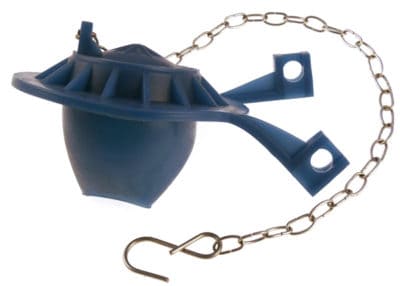
The flapper is the rubber (or rubber-and-plastic) seal that sits over the flush valve opening, the drain through which tank water rushes into the toilet bowl. It is part of the mechanism that triggers when someone pushes down on the toilet handle to flush it. When the flapper isn’t installed correctly, is worn down, or is even the wrong size for the pipe, it can allow too much or too little water to pass through the toilet. A flapper that doesn’t seal lets water keep running into the toilet bowl, and the tank may refill on its own every so often. A flapper that closes too early, or a handle that feels “loose” with little resistance, gives a short, weak flush. To check for a slow leak, EPA WaterSense suggests a dye test: put a few drops of food coloring in the tank, and if color shows up in the bowl within 10 minutes, you have a leak.
Flappers are simple and easy to replace. The biggest factor in buying a new one is to make sure the product matches the size of the flush valve opening in the toilet (most are 2-inch or 3-inch). If someone buys a flapper that is too big or too small, it will not form a seal and water will continue to run. Not only does this make flushing difficult, but it can also cause the water to run all the time, increasing an individual’s water bills. The EPA notes that a worn flapper can silently leak thousands of gallons a year and recommends replacing flappers at least every five years.
Fill Valve and Flush Valve Problems
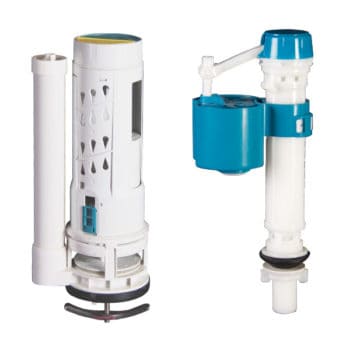
Two valves are easy to confuse. The fill valve is the part responsible for moving water from the supply line up into the toilet tank and shutting it off at the right level. If it fails or is set too low, the tank doesn’t hold enough water for a strong flush.
Family Handyman recommends setting the float so the tank stops filling 1/2 to 1 inch below the top of the overflow pipe. Fill valves see constant use, so they wear out. Thankfully, replacement fill valves and repair kits are inexpensive and easy to find.
The flush valve is the drain opening at the bottom of the tank, with the overflow tube and the flapper or seal on top. When its seal goes bad, water leaks into the bowl, the tank can no longer hold a full charge of water, and the flush gets weaker. Flappers and seals are cheap and usually easy to replace. Replacing the whole flush valve is a bigger job, since the tank has to come off the bowl on a two-piece toilet, but the situation could be much worse. Don’t lose hope: replacing a seal is much better having a more catastrophic meltdown.
Chain Catastrophes
The chain connects the handle’s lift arm to the flapper. When the handle is pressed down, the chain lifts the flapper off the flush valve so the tank water can rush into the bowl. Chains need to be the right length because too much slack or tightness can damage the chain and also cause trouble flushing the toilet.
When there is too much slack in the chain, the flapper will not lift all the way and the toilet won’t flush correctly. In most cases, the chain just needs to be shortened so only a little slack remains when the flapper is closed. This can be done by moving it to a different hole in the swing arm or connecting it through another link, similar to a necklace. If the chain is too tight, the flapper can’t seal and the toilet will run, so loosen it by doing the opposite.
Sometimes, the chain is in terrible condition from constant exposure to water. When this happens, a new one can be purchased from most hardware stores for a few dollars, which is a small price to pay for a functioning toilet!
Clogs, Rim Holes and Vents
If the tank parts all check out, look past the tank. A partial clog in the bowl or drain slows the flush; a plunger usually clears it.
Mineral deposits can also block the small rinse holes under the rim. Family Handyman suggests cleaning them out, using a mirror to see them and a bent wire to clear them.
Finally, a blocked plumbing vent can make toilets flush weakly or gurgle. Vent work often means getting on the roof, so it is usually a job for a plumber.
Conclusion
Don’t let a toilet that’s hard to flush get you down. This is a common problem and one that plagues many people around the world. While it is more of an irritant than a dire issue, it can represent a more serious issue that needs attention. After all, if the toilet is allowed to continue to stick or the parts go unchecked, they can wear down further and the toilet could break entirely. So, examine the symptoms of the problem, make a diagnosis, and then seek out the proper repairs.[1]
What’s Next
It’s time to get back to your life without having to worry about something as irritating as a toilet that won’t flush properly. Now that you know what the problem is, be prepared to enjoy a life without the hassle of a faulty toilet. Be sure to check out the best toilet repair kits today.
Sources
- 14 Toilet Problems You Should Never Ignore, Family Handyman
- Fix a Leak Week, US EPA WaterSense