Toilet Components & What They Do: Everything A Homeowner Should Know
Contents
Choosing between one-piece and two-piece toilets is one of the most confusing things when it comes to buying toilet components. Many users assume the older, proven two-piece toilets are always better than one-piece toilets, but that isn’t the case. Modern one-piece toilets come in many styles, and their seamless design has real advantages. For many homes, a one-piece design is the better pick, as long as you are fine with the higher price and heavier lift.
There’s no denying that one-piece and two-piece toilets have a lot of similarities. For starters, they both do the same work. Both toilet designs can use the same amount of water per flush (1.6 gallons or less for new US toilets, or 1.28 gallons or less for WaterSense models) and, in most cases, flush in a similar manner. One-piece and two-piece toilets have a similar installation method in general. However, one-piece toilets have an edge over two-piece toilets in a few areas. In this article, we explain where one-piece toilets come out ahead, and where two-piece models still make sense.
The Difference Between One-Piece and Two-Piece Toilets
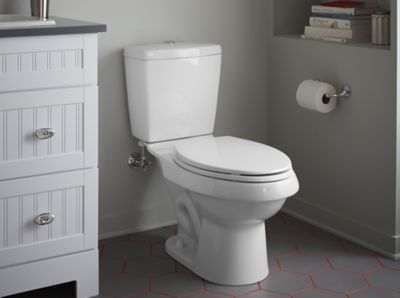
The toilet is made up of three components i.e. the bowl, water tank, and the pedestal. The bowl collects the waste and flushes it out to the drain pipe. The tank stores water and provides the pressure required to flush out waste from the bowl. The pedestal provides the required height for a toilet. When the toilet and the tank come as separate components that are connected using fittings, it is referred to as a two-piece toilet.
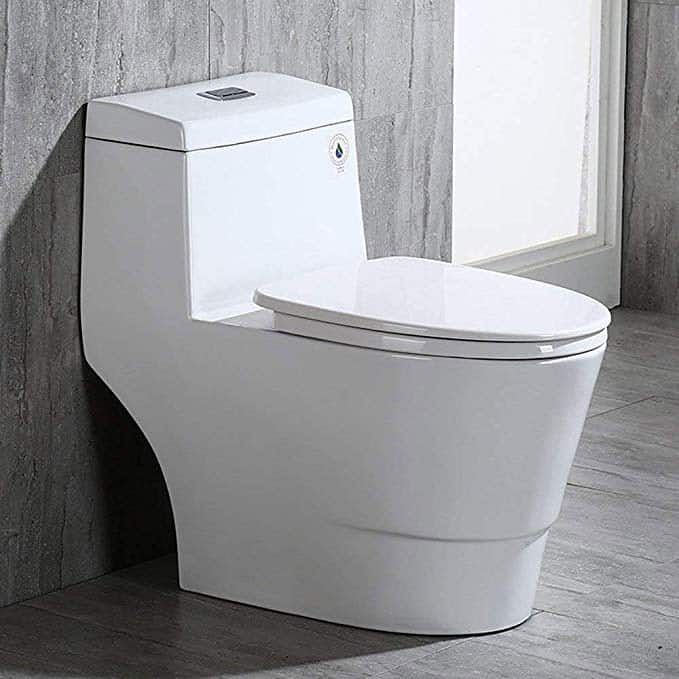
Sometimes, the toilet and tank are fused together sans any joint connections. This type of toilet design is referred to as a one-piece or single-piece toilet. You can easily tell the difference between the two toilet designs by simply looking at them. The two-piece toilet has a visible clear seam while the one-piece toilet doesn’t. Now that you understand the difference between these toilet components, let’s look at some of the advantages one-piece toilets have over two-piece toilets.
Installation
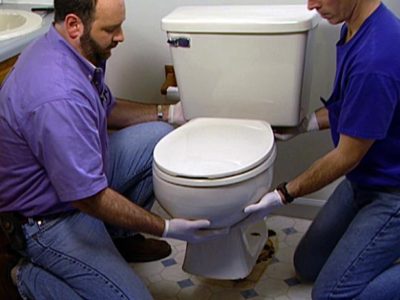
Two-piece toilets consist of a separate bowl and tank whereas one-piece toilets will have the tank fused with the bowl to create a single unit. With a one-piece toilet you skip the step of bolting the tank to the bowl. The tradeoff is weight: Family Handyman notes that one-piece toilets are much heavier than a separate bowl and tank, which makes them harder to install. A two-piece toilet can be carried in two lighter pieces. Therefore, you need to consider who will lift it and the space restrictions in your bathroom.
Ease of Cleaning
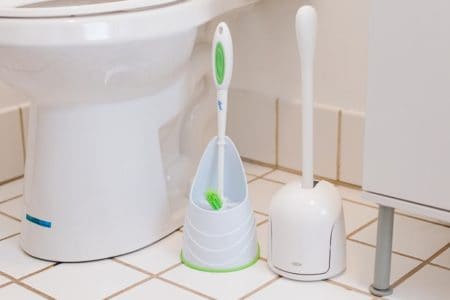
One-piece toilets are easier to clean compared to their two-piece counterparts. That’s because single piece toilets have fewer cavities and rifts between the toilet bowl and the tank. A lot of people prefer the single piece design solely for its simplicity. In a two-piece toilet, the joint area is hard to clean thoroughly without having to remove the tank. If left unclean for a long period of time, this area can be a breeding ground for bacteria and mold. One-piece toilets have fewer places for dirt and grime to gather, which makes them easier to keep clean.
Durability
Compared to two-piece toilets, one-piece toilet designs have more solid construction. The one-piece toilet design incorporates a single piece of ceramic, meaning fewer toilet components such as flushing elements and exposed pipes. The toilet components are, therefore, protected from external elements like excess moisture that can significantly reduce their lifespan. Since it’s just one unit, there is no tank-to-bowl gasket or bolts to maintain.
From an engineering point of view, fewer moving parts or connectivity makes equipment more reliable. Many people find one-piece toilet designs are more durable than two-piece toilets. Both types still need the same basic upkeep: tank parts such as the fill valve and flapper wear out and need replacing. Under proper care and usage, either design can last for years. A one-piece toilet can’t leak at a tank-to-bowl joint, but it can still leak at the wax ring, supply line, or tank parts.
Size Factor
When it comes to size, many one-piece toilets have a lower, more compact profile than two-piece toilets, though footprints vary by model. Compact one-piece models can be a good option in bathrooms with limited square footage. Seat height is a separate choice from one-piece or two-piece: both come in standard height (about 15 inches) and taller “comfort” or chair height. For accessibility, the ADA Standards set toilet seat height at 17 to 19 inches above the floor, measured to the top of the seat. Shorter bowls suit kids, while taller ones are easier for many older adults and people with limited mobility.
Since the tank and the bowl come as a single unit, there is no need to make provisions to support the tank. This can make the overall construction more compact. Cleaning is also easier with a one-piece toilet design, even though the heavier unit takes more effort to set in place.
Aesthetics
When it comes to aesthetics, one-piece toilet design is the clear winner. One-piece toilets look great if that matters to you. Since the toilet is made without joints and gaps between the toilet bowl and the tank, it’s easy to see where the beauty comes in. Design-wise, it’s easy to find one-piece and two-piece toilets with the same design. The only major difference in the appearance between the two types of toilet components is that one is fused together while the other comes as separate elements joined together with fittings.
Performance
So, which toilet performs better between one-piece and two-piece toilets? Well, none. Both toilet designs are quite similar as far as performance and functionality are concerned. The interior parts are almost identical, especially if they come from the same manufacturer. In most cases, one-piece and two-piece toilets have identical levels of efficiency and flushing power. However, one-piece toilets are often sold as higher-end models with extra features, which also makes them more expensive.
Two-piece toilets remain very common in the United States, largely because they cost less and are easier to carry and install. One-piece toilets cost more but are easier to clean and have a sleek look. When choosing a toilet for your home, consider your budget, the rough-in and seat height you need, and personal comfort.
Sources
- How to Buy the Best Toilet for Your Home, Family Handyman
- 2010 ADA Standards for Accessible Design, 604.4 Seats, U.S. Access Board
- Residential Toilets, US EPA WaterSense