Rough-In Toilet Measurements: How To Check The Specs
Contents
Introduction
Measuring a toilet can be a simple process, but there are numerous parts that need to be checked to get an accurate idea of just how much space the toilet takes up. It’s also important to know the height and size of the toilet since, during replacement, you want to get a commode that actually fits in the bathroom and lines up with the plumbing.
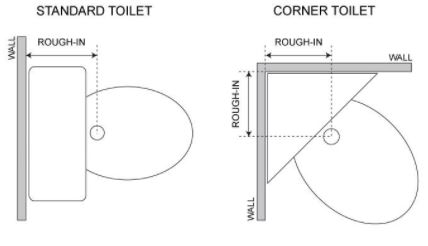
One of the most important measurements for homeowners is the rough-in. Although it has a weird name, the rough-in is crucial. This measurement is the distance between the wall and the central floor drain or waste outlet to which the toilet is connected. Here’s how to check the specs to make sure your new toilet is one that fits your system.
What Tools Do You Need?
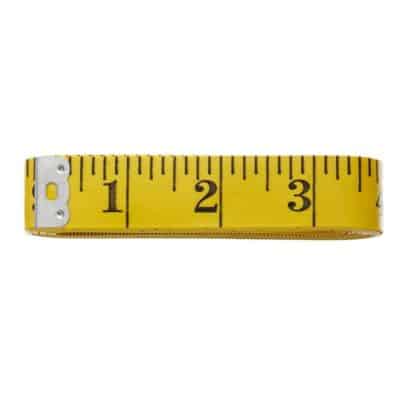
Because toilets possess a strange shape, you need to use a measuring tool that is flexible and able to move around. The best implement to check the rough-in is a simple, loose measuring tape. These tapes are inexpensive. It’s also a good idea to have a pad of paper and something to write with solely so you don’t forget the measurement when you’re out shopping. Otherwise, you should be all set. Just make sure you can read the tape measure easily and it uses the standard units of measurement in your country for buying toilets and other appliances. For the United States, you need inches.
Why Is the Rough-In Important?
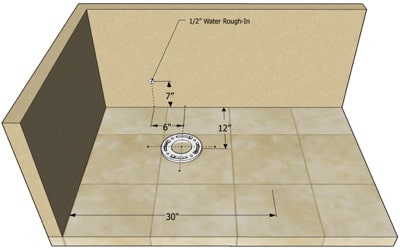
The rough-in is an important part of the toilet because it lets you know where to install a new model. Toilets are sold in a few set rough-in sizes, so a model can be wrong for your bathroom even if it looks similar to your old one. A toilet with a rough-in larger than your drain position won’t fit, because the tank would hit the wall.
A toilet with a smaller rough-in will usually fit but leaves an extra gap behind the tank. Buying the wrong size means a return trip, so measure before you shop.
How to Measure the Rough-In On a Standard Toilet
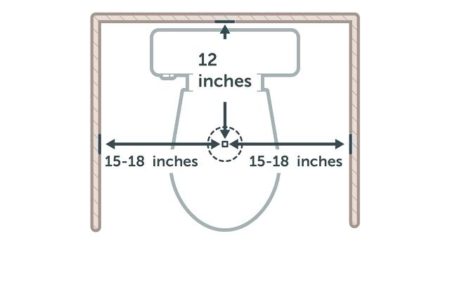
When you do decide to measure the rough-in, you need to know the proper place to put the tape measure. Many people make the mistake of putting the first end of the tape measure up against the wall’s molding or baseboard, which is wrong. The rough-in is measured from the finished wall, so the baseboard’s thickness can make a 12-inch rough-in read closer to 11 inches. So, you should be certain to place one end of the tape measure directly against the finished wall surface (drywall, plaster, tile or wallpaper), above the baseboard.[1]
If you’ve done so and keep getting a weird number that is not an exact inch or even close to one, tap against the wall. If it sounds slightly hollow, you might have paneling over the drywall that is affecting the measurement. Unfortunately, it can be hard to find an exact rough-in number if you don’t know how thick the paneling is, so you will have to estimate based on the closest standard size.
If your number lands between sizes, such as 12½ inches, choose the smaller standard size (12 inches). A toilet with a smaller rough-in can sit a little farther from the wall, but a larger one won’t fit.
Next, be sure to keep the tape measure even and pull the other side until it aligns with the center of the closet bolts (the bolts holding the base of the toilet in place). These bolts sit in the toilet flange, centered on the floor drain or waste outlet through which waste flows. If the bolt caps are on, pop them off so you can measure to the center of each bolt, not its edge. Remember that the tape measure needs to be even to get an accurate measurement, and then read the number.
Standard rough-in sizes are 10, 12, or 14 in. According to Family Handyman’s toilet buying guide, 12 inches is the standard, while 10- and 14-inch models are made for bathrooms where the drain sits closer to or farther from the wall.
How to Measure the Rough-In On a Corner Toilet
Sometimes people install toilets so the back faces a corner instead of being flush against a wall. When this happens, it complicates the measuring of the rough-in. To get an accurate measurement, place the tape measure against one wall – again ignoring any baseboard – and measure to the central bolts. Then, repeat the process for the other wall that the toilet sits against. On a typical corner installation, these two measurements should produce the same number. Corner toilets have their own specs, so compare your numbers with the manufacturer’s installation sheet before you buy.
How to Measure the Rough-In On a Rear Outlet Toilet
In a rear outlet toilet, the central drain through which waste flows is on the back of the toilet, and the piping runs through the wall. For these models, the key number is the height of the outlet. Measure from the finished floor up to the center of the waste pipe coming out of the wall.
Rear-outlet toilets are built for a specific outlet height, so check that number against the manufacturer’s spec sheet before you buy. Also measure the side-to-side position of the pipe if the bathroom is tight.
Conclusion
Homeowners can be flexible about the height and width of their toilet tank and bowl, but the rough-in is a feature you don’t want to get wrong when seeking a replacement. Without an accurate rough-in, the plumbing won’t connect properly and waste can’t be disposed of. Nobody wants a useless bucket instead of a functioning toilet, the jewel of modern plumbing.
To make sure you have the right rough-in toilet measurements, check your specs several times before declaring yourself done. Almost all floor-outlet rough-in measurements will land near 10, 12, or 14 in. If you have a number that is wildly different, check again. Family Handyman’s toilet replacement guide also recommends checking this distance before buying a new toilet. Once you have the measurement, you can go on to finding the right new toilet for you!
What’s Next?
See, that wasn’t too rough! Once you have the rough-in, it only takes a few more steps to get that brand-new, potentially high tech toilet you’ve always wanted. For more information on the different types of toilets on the market, check out this link. We provide information on just about every home subject imaginable.
Sources
- How to Buy the Best Toilet for Your Home, Family Handyman
- How To Replace a Toilet, Family Handyman