Mold Smells In Your Bathroom? Find Out How To Get Rid Of It, Fast
Contents
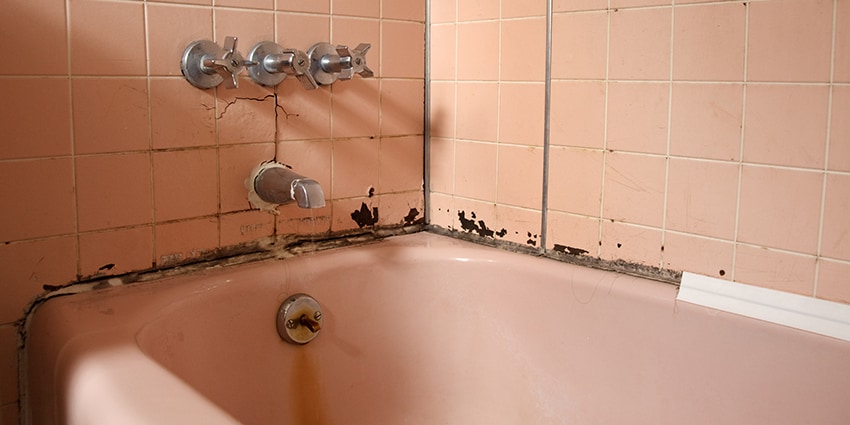
You step in the bathroom and it hits you – that dank and moldy smell that seems to permeate in rooms where there is a lot of moisture. The thing about moldy issues is that you need to face them head-on. You need to address them pronto or the problem will just get worse and worse. The sooner you deal with it, the better, not just for your bathroom but for the entire house and for your health as well.
What Causes a Moldy Smell in the Bathroom?
The most common reason your bathroom smells moldy is mold or mildew growing somewhere, even where you can’t see it. If it smells moldy, chances are there is mold growing nearby. This is most likely due to poor ventilation and excess moisture production.
Bathrooms are known to have heavily moist environments because we use water in this room a lot. But that shouldn’t be a problem if you have a working drainage system and that the excess water is ventilated properly, so they don’t become stagnant. If the excess water does not dry up successfully, that can lead to a moldy smell.
Damaged pipes can be the culprit. Pipes that are hidden behind walls, when they burst, can leak and can then cause a mold issue because the water has nowhere else to go. And because they are hidden behind the walls, they do not get ventilated.
If you have old plumbing system at home, you could become susceptible to molds problems as the old plumbing system is more predisposed to damages. Beware of exposed pipes as well. In the winter, they can become susceptible to freezing. Frozen pipes can burst, and this can lead to leaks.
Also check out your bathroom essentials. Your absorbent towel might have molds growing on it already because it doesn’t get the ventilation it needs, and it doesn’t dry up completely. Make sure you check your shower curtain as well. Molds can grow here, too.
Signs That Mold is Making You Sick
Molds are not just unsightly. They release spores and can produce allergens and irritants. And since you can’t actually see these spores, you could be inhaling them, for all you know.
Many people have no reaction at all. According to the CDC, mold can cause a stuffy nose, sore throat, coughing or wheezing, burning eyes, or skin rash in some people. Here are the signs to watch out for:
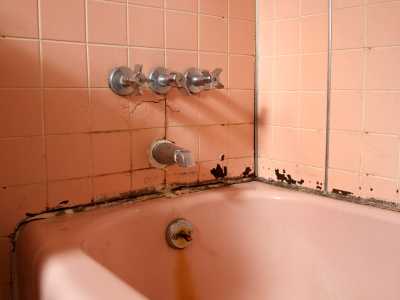
- Eye, skin and throat irritation
Burning or itchy eyes, a skin rash or a sore throat that gets better when you leave the house can point to a mold problem. Mold can irritate the eyes, skin, nose, throat and lungs, even in people who aren’t allergic.
- Asthma flare-ups
People with asthma or mold allergies can react more strongly. People with weakened immune systems or chronic lung disease are at higher risk of infection. If you have symptoms, talk to your doctor.
- Respiratory problems

When mold spores enter the body, our immune system will flag this as a harmful foreign substance, thereby triggering an allergic reaction that can lead to difficulty breathing, wheezing, sneezing and many other respiratory illness-like symptoms.
Natural Treatments for Moldy Smell
Deal with the moldy smell once and for all. First, figure out how big the problem is. The EPA says most people can clean up mold themselves if it covers less than about 10 square feet.
If the mold covers a larger area, or there has been significant water damage, call a professional. Testing is usually unnecessary when you can see mold; fixing the moisture source matters more.
There are also some natural things you can do to get rid of the moldy smell. Here are some of them:
- Use a dehumidifier.
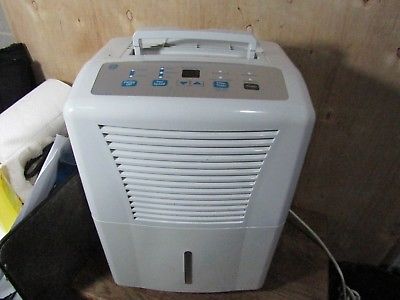
Excess humidity can lead to the persistence of molds. A dehumidifier won’t kill existing mold, but it helps prevent regrowth. The EPA recommends keeping indoor humidity below 60 percent, ideally between 30 and 50 percent.
An air purifier with a HEPA filter can capture some airborne spores. It won’t fix a moisture problem, though, so treat it as a helper, not a cure.
- Use distilled white vinegar.
If it can still be contained, you can try using distilled white vinegar. Mix equal parts of this vinegar and water and then put it in a spray bottle. Spray the solution on the moldy areas. Leave it there overnight and then wash it off the next morning. Small surface patches should come off, taking the smell along with it. Never use vinegar and bleach together, since mixing them releases chlorine gas.
- Try using tea tree oil.
Tea tree oil has antifungal properties, so some people use it for minor mold issues. It can be expensive though, so only use this when you have small molds problems in the bathroom. Dilute a teaspoon of this oil with 2 cups of warm water. Pour the mixture in a spray bottle and then spray it on the moldy areas. You can also use this as a treatment for molds-infested bathroom furniture or cabinets.[1]
A stronger, albeit unnatural, treatment you can use is chlorine bleach. It does an excellent job on nonporous surfaces like tile, but make sure you use it carefully. Bleach is very strong and can be nauseating when the smell is contained in a small bathroom.
Open a window, run the exhaust fan and wear gloves and eye protection. Never mix bleach with ammonia or other cleaners, because the combination produces toxic fumes.
How to Prevent Molds from Forming in the Bathroom
There are natural ways for you to prevent a moldy smell from developing in the bathroom. You need to make sure you ventilate your bathroom well. If there are windows, open them up and let natural light and air in. You can also try using an air purifier, which can capture some airborne spores. Controlling moisture matters more.
If you have a bathroom with poor ventilation, you might also want to consider installing an exhaust fan vented to the outdoors. Run it during your shower and for a while after. Fix leaky pipes and faucets quickly, and dry wet areas within 24 to 48 hours. Make sure you also take out used bath towels and dry them up outside as they can get moldy or musty-smelling overtime when left in the bathroom. For more information on what products to buy to eliminate molds, visit this page.
Sources
- A Brief Guide to Mold, Moisture and Your Home, U.S. Environmental Protection Agency
- About Mold and Your Health, Centers for Disease Control and Prevention