How To Adjust Toilet Flush Pressure: 4 Simple Fixes For Stronger Flushes
Introduction
There’s almost nothing more frustrating than trying to flush the toilet and realizing…little to nothing happens. You use the handle again and again, but nothing seems to be working. Dirty toilet water remains where it is, stubbornly refusing to go down the drain. When this happens, there could be an unsightly clog (a partial clog in the trap is actually the most common reason a toilet won’t flush, so try a flange plunger first). If the bowl drains fine but the flush is just weak, there could be a variety of causes, and thus there is a variety of solutions. Here are four simple fixes for stronger flushes that don’t require messing with too much plumbing.
Check the Water Valve
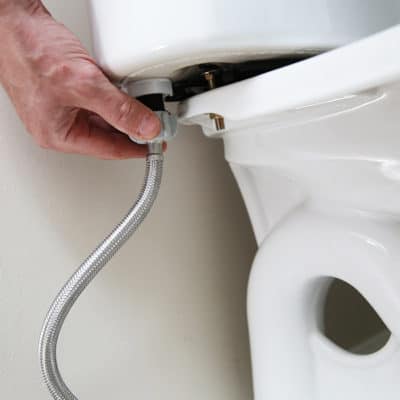
Each toilet is fed by a pipe connected to a shutoff valve, which controls how much water passes into the tank. Sometimes, something bumps this valve, or someone doesn’t fully reopen it after a repair, leaving it partially closed. When this happens, the tank refills slowly and may not fill completely, so the flush suffers. To find it, check the plumbing behind or underneath the toilet. There is usually a single shutoff valve since toilets only use cold water. It should be able to be turned by hand.
All you have to do is make sure the valve is fully open. Turn it counterclockwise until it stops. Some multi-turn valves need several rotations, so don’t be disheartened if you need to go through several turns. If an old valve is stiff, don’t force it, since it can break or start leaking; call a plumber to replace it.
Unclog the Rim
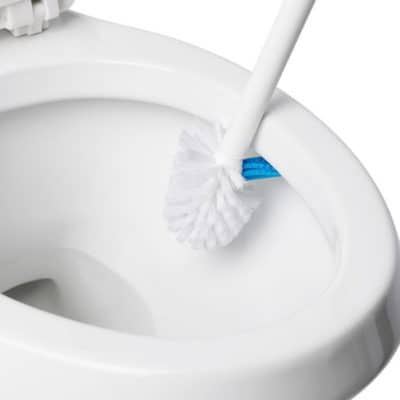
Most individuals clean their toilets, but few actually scrub them correctly. When you clean your toilet, do you bother to drag your brush or sponge up under the rim? And, if you do, have you ever taken a good look at the small holes that sit underneath it? If not, they could be clogged. Those rim holes dispense the water that flows from the tank into the bowl.
Don’t despair: The holes are easy to unclog once you know how and, while they can be full of bacteria, they’re probably not full of fecal matter. Instead, the biggest problem is lime and other minerals that buildup and cause problems. This buildup is mainly from hard water and most likely affects other drains and appliances throughout the house. To prevent future problems, you might want to consider finding a water softener to attach to your main water supply. It can save you tons of cleaning in the long run.
However, to unclog the holes beneath the toilet rim, all you need to do is get a nylon brush and vigorously scrub the holes. Poking them with a piece of wire when buildup blocks the hole entirely is another option. To loosen hard mineral deposits, Family Handyman suggests pouring household vinegar into the overflow tube and letting it sit a few hours before flushing. Don’t mix vinegar with bleach or other cleaners. If you struggle to see under the rim, use a mirror with an angled handle so you can look at the reflection.
With the buildup removed, the toilet should once again flush with its normal force.
Adjust the Water Level
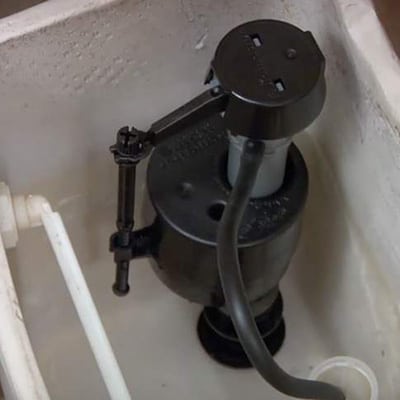
Few people realize you can actually adjust the level of water present in the toilet tank, which can affect how much floods into the bowl and the pressure in which it is dispensed. So, what do you do?
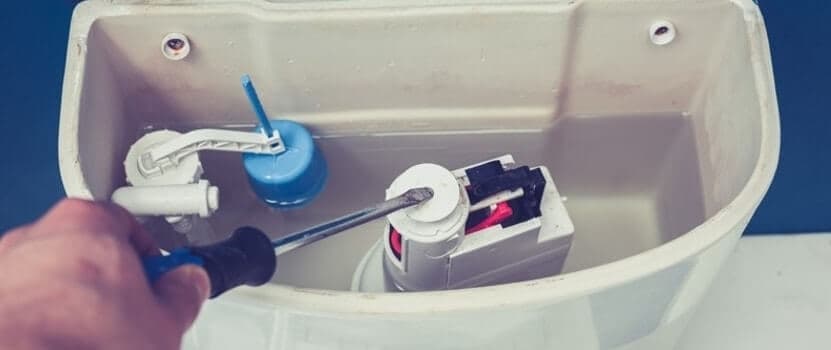
To adjust the water level in the tank, you need to determine what kind of float you have. [1]There are two standard types: a ball or a cylinder. Before touching anything, check to see that the water in the tank sits about 1/2 to 1 inch below the top of the overflow tube, or at the water line marked inside the tank. The overflow tube is the pipe that carries water away in case too much floods the tank – this prevents it from spilling out and making a mess.
If the water is too low, it’s time to adjust the float. If you have a ball float, look for the adjustment screw on top of the fill valve where the float arm attaches. Turn it a little at a time and let the tank refill to see which way raises the level, or gently bend the float arm up. If you have a cylinder float, look for an adjustment screw or rod on top of the valve (on many models, turning it clockwise raises the level). Older cylinder floats have a clip on the side that you squeeze, slide the float up, and release.
If you’re not sure what type of float you have, just look at the shape. A ball float is pretty obviously a ball on an arm, while the cylinder float wraps around the fill valve shaft and slides up and down it.
While the lid is off, also check the flapper chain. If it has too much slack, the flapper won’t lift fully and the flush will be weak. Leave just a little slack when the flapper is closed.
Upgrade
Unfortunately, not every toilet has a strong flush. Some older models will wear down over time and were not designed with efficiency in mind. These toilets will often have less power, will clog more easily, and tend to be found in old houses and apartments. If you’ve tried the other three steps and are still having trouble adjusting your toilet flush pressure, consider getting an upgrade.
Many modern toilets are designed to use as little water with as much force as possible. This creates a fast, strong flush and an easy clean. Since toilets made for the US market from 1994 on are limited to 1.6 gallons per flush, newer models use far less water than old ones. WaterSense-labeled toilets use 1.28 gallons or less and are independently certified for performance, so you can lower your water bill without giving up a strong flush.
Conclusion
Don’t let your toilet get you down. Poor flush pressure can be a problem, but there are a myriad of solutions, especially if the bathroom bowl is more modern. All you need to do is make sure the water is at the proper level and has an easy way to travel down from the tank into the bowl, where it pushes away waste and can fill everything with clean water once more.
What’s Next
Now that your toilet is flushing with the power of a vacuum tearing through dust, you can finally rest easily knowing your bathroom is clean and free of toilet contamination. For more easy to use tips, tricks, and reviews, check out our Most Powerful Flushing Toilet Reviews for the best information currently available on the web.
Sources
- Toilet Won't Flush? Here's Why and How to Fix It, Family Handyman
- How to Fix a Running Toilet, Family Handyman
- Residential Toilets, US EPA WaterSense