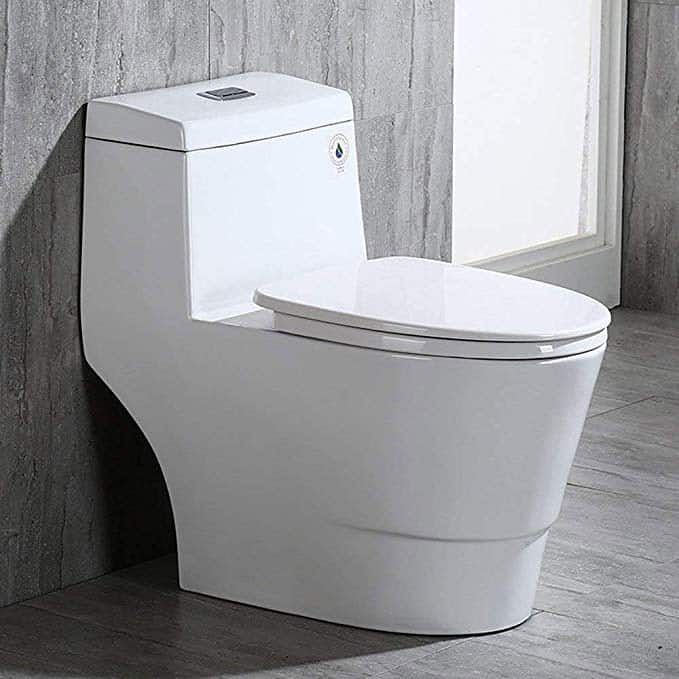
How Long Do Toilets Last? Find Out When You Should Be Replacing Yours
Contents
Introduction
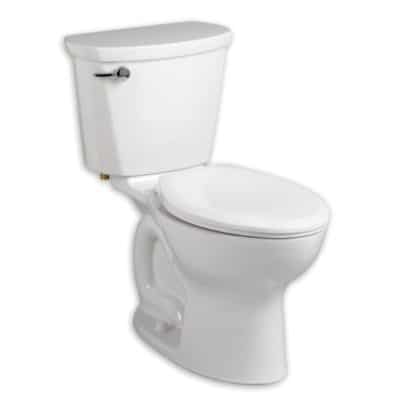
The porcelain throne can’t last forever, especially if it faces constant use. However, it can still last far longer than many other household items. Toilets aren’t like other household appliances that tend to be replaced every five to ten years. Like many plumbing fixtures, they were designed to last for years of constant use. Part of their longevity comes from the fact that a toilet is a remarkably uncomplicated structure. A standard toilet doesn’t use electricity, and the vitreous china bowl and tank don’t wear out easily. The parts inside the tank are another story, as we’ll see.
But when should you be replacing yours?
How Old Is the Average Toilet?
Many toilets you encounter are newer than you might think. This is thanks to a federal law called the Energy Policy Act of 1992, whose toilet limits took effect for most new residential toilets in 1994. Before then, many toilets used 3.5 gallons per flush, and older models used even more; the EPA says inefficient toilets can use as much as 6 gallons per flush. That’s a lot of water for city water and sewer systems to handle, and a lot of money for homeowners. Why? Just think about how much clean water is being wasted washing away a small amount of urine and excrement. There are better uses, especially since fresh water is a valuable resource.
So, as of 1994, toilet manufacturers needed to start producing models that used no more than 1.6 gallons per flush. Any home built after that will naturally include one of these newer toilets, and many older homes and apartments have been renovated since. If your toilet uses more than 1.6 gallons per flush (the rating is often stamped inside the tank or behind the seat hinge), it likely predates 1994.
How Long Can a Toilet Last?
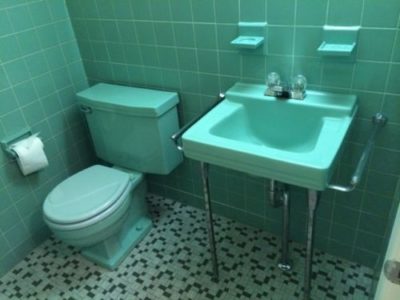
The porcelain itself can last for decades, often 50 years or more if it isn’t cracked or chipped. The moving parts are what wear out. Flappers, fill valves and seals are usually replaced every several years, and they’re cheap and easy to swap. Think of the porcelain throne as similar to a car. Those that get used more often and see more action will naturally need more repairs, maintenance, and general cleaning. So, while the bowl can outlast many other things in your house, many people replace a toilet after a few decades to get better flushing and lower water use.
When to Replace a Toilet
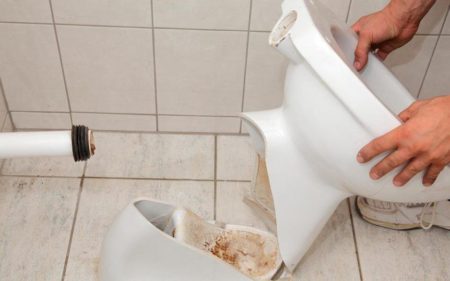
Besides age, there are several clues that indicate whether or not it’s time to replace the toilet. The first and most important is: Does the toilet need repairs often? Does the handle keep sticking? Is flush pressure low? Are the seat and lid broken or fail to sit right? Are there numerous scratches on the surface where germs and bacteria can hide and thrive? All of these are indications of a toilet that is getting worn out and might be on its last legs.
Another problem is frequent clogging. If the toilet clogs often even after you’ve cleaned the rim holes, adjusted the tank and cleared any blockage in the trap, the toilet’s design may be the problem, and a replacement may be worth it. If several drains in the house are slow, call a plumber to check the drain line before buying a new toilet.
Is the porcelain cracking? This is a sign of major damage since toilets are designed to be hardy and resist a large amount of wear, tear, weight, and use. A crack in the bowl or tank that leaks water means the toilet needs replacing. Even a dry hairline crack can grow, and a badly cracked bowl can break under someone’s weight. Cracks can also lead to leaks, and no one wants a flooded bathroom.
Finally, you’re going to want to replace the toilet if it’s no longer water and energy efficient.[1] Does it seem to be raising the water bill? This is very common if you have an older model that uses far more water per flush than a modern toilet, or one with a silent leak. To check for a leak, put a few drops of food coloring in the tank and wait 10 to 15 minutes without flushing. If color shows up in the bowl, the flapper is leaking.
What to Look For
Once you do decide to replace the toilet, it’s time to think about what to look for. Naturally, you’re going to want something that suits your personal style, whether that be utilitarian, stylish, modern, vintage, or even colored pink or green like they used to do in the 1950s.
Besides appearance, you’re also going to want to look at the size and capacity of your bathroom plumbing. Before buying any new products, measure the old toilet’s bowl height, length, and width. You’ll need to know the rough-in, which is the distance from the finished wall (not the baseboard) to the center of the bolts holding the base to the floor. Most homes have a 12-inch rough-in, but 10- and 14-inch rough-ins exist too. How tall and wide is the tank? How much water does it hold? More importantly, how many gallons per flush are you willing to use? WaterSense-labeled toilets use 1.28 gallons or less, and the EPA says they’re independently certified to meet performance requirements as well as efficiency. What will you feel comfortable using?
Once you answer these questions, you’re ready to replace your toilet.
Conclusion
A toilet is a staple of any home and naturally needs more consideration than people are used to giving it. When considering how long toilets last, it’s important to remember that each bowl undergoes a unique experience that will affect the rate in which it wears down. The basic rule of thumb is that the porcelain can last for decades, while the tank parts need replacing every several years. Replace the whole toilet when it’s cracked, clogs constantly, or uses far more water than a modern 1.6 or 1.28 gallon model.
What’s Next
Now that you know how long a toilet lasts, you can determine whether or not yours needs to be replaced. On the plus side, this means more home renovation and decoration! If you would like more useful information like this, tips, tricks, and products you need to solve your toilet problems, check out this guide. Happy hunting!
Sources
- Residential Toilets, US EPA WaterSense
- How to Fix a Running Toilet, Family Handyman