Toilet Doesn’t Flush All The Way? Find Out Why & Get It Fixed
Contents
Nothing is more annoying than flushing your toilet and some of the stool floats around after. You still need to wait for the tank to fill up considerably before flushing it down again, hopefully taking all the gunk with it this time. If you have a toilet that doesn’t seem to flush all the way, this article is for you.
There are a couple of reasons why this happens. You would want to get to the bottom of the problem in order to find the accurate solution for it.
Here are some of the possible causes as to why your toilet doesn’t flush all the way:
-
The chain is loose.
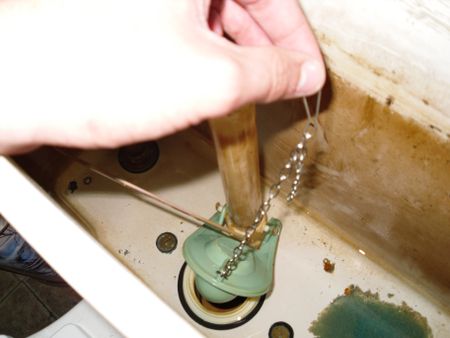
One common reason is a chain with too much slack. Remove the toilet tank cover and then check the chain. This is the one connected to your toilet’s flush lever. Is there a lot of slack in it? If this is the case, the lever can’t lift the rubber flapper high enough. The flapper needs to lift fully and stay up long enough for the tank to empty into the bowl, which is what drives a full flush. Often you can just move the hook to take up the extra links, leaving only a little slack. If the chain is damaged, the easiest solution to this is to install a new chain.[1] It should be easy to find in your hardware store.
Before replacing, shut off the water at the toilet’s shutoff valve first. Flush it to get rid of the remaining water in the tank. Remove the lid and use a pair of pliers to disconnect the old chain from the flush lever and from the rubber flapper, which sits over the flush valve opening at the bottom of the tank. Now attach the new chain to the flapper, then connect the other end to the flush lever, leaving just a little slack. Use your pliers to remove any extra links. Turn the water back on and then try the new chain out. It should be fixed by now.
-
Your toilet has a worn-out flapper.
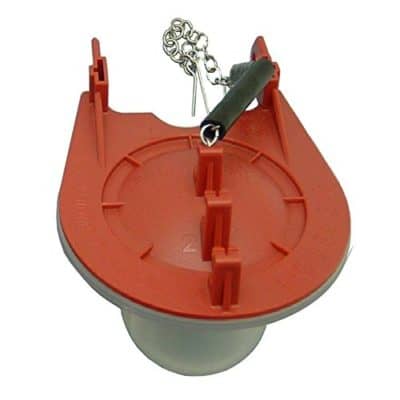
After opening the toilet tank and you see that the chain is still intact, check the flapper next. If you see signs of deterioration, it might need to be replaced. Buy a new one from a local hardware store, making sure it is the one compatible with your toilet. To replace the toilet flapper, simply use a pair of pliers to remove its connection to the chain and your toilet. Install the new one and then test the toilet.
-
You don’t have enough water in the tank.
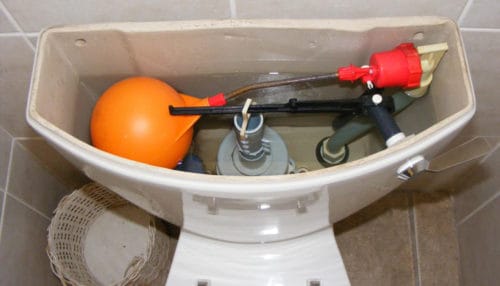
There are more obvious reasons such as the tank not filling up with the right amount of water. Open the tank of your toilet and then check the water level. It should sit about 1/2 to 1 inch below the top of the overflow tube, or at the line marked inside the tank. If it is too low, first try raising the float on the fill valve. If the valve won’t fill to the right level after adjusting, the fill valve needs to be replaced. Again, follow the same initial steps as the previous one. Shut off your water supply and then flush your toilet to remove the remaining water. Unscrew the coupling nut that holds the supply line to the bottom of the tank, then remove the locknut under the tank and lift out the old fill valve. Put the new fill valve in and tighten the locknut about a half turn past hand tight. Connect the water supply line once again and then turn your water supply on. Test it out. Flush the toilet and see if it is filling up nicely now and all the stool is flushed down.
-
The inlet holes are clogged.
Another reason why your toilet doesn’t flush all the way is because the inlet holes are clogged. The inlet holes are the holes at the rim of your bowl where water comes out to cleanse the bowl. Try flushing your toilet and then take a closer look at the inlet holes to see if water comes out of them sufficiently. If not, it could be clogged.
If you have a water source riddled with hard minerals, this can be a common issue in your home. When hard minerals collect, they tend to leave behind limescale deposits that are hard to get rid of. This is usually the cause of the clog.
Family Handyman suggests you pour household vinegar into the overflow tube and let it sit for a few hours before flushing. The overflow tube feeds the rim, so the vinegar reaches the inlet holes. Warm (not boiling) vinegar can work a bit faster on limescale. You can also spray it on the inlet holes. If some are still clogged after using this trick, use a small brush or a piece of wire to poke the holes and dislodge the buildup.
You can also use store-bought limescale removers made for toilets. Follow the label, rinse well, and never mix them with vinegar, bleach or other cleaners, since some combinations release toxic gas. Skip harsh chemical drain openers, which can damage plumbing. Don’t let other people use the toilet in the meantime.
It also helps to install a water filtration system if you have hard water. It removes hard minerals from the source, so you can protect your plumbing fixtures and even your appliances from their damaging effects.
-
There is a clog in your toilet.
There could be collected toilet paper in there. Try testing it out first. Pour water from a bucket down the toilet and if it doesn’t flush down easily or it takes some time before the water goes down, it is probably clogged. Try a bell-shaped (flange) toilet plunger first, then a closet auger for deeper clogs. If those don’t work, or several drains in the house are slow, call a plumber that has a good reputation when it comes to fixing plumbing issues well.
If you have an old toilet it might have worn out internal parts already. Sometimes it is better to just completely replace the toilet. Look for a WaterSense-labeled model, which uses 1.28 gallons per flush or less and has to pass a flushing performance test, rather than waste gallons of water on a toilet that doesn’t even flush all the way. There are now affordable modern toilets that you can get for your home.
Learn more about the products you need to repair your throne here!
Sources
- Toilet Won't Flush? Here's Why and How to Fix It, Family Handyman
- How to Fix a Running Toilet, Family Handyman
- Residential Toilets, US EPA WaterSense